As the world grapples with climate change and resource depletion, the construction industry plays a pivotal role in building a sustainable future. Sustainable construction isn’t just about using eco-friendly materials—it’s about creating structures that minimize environmental impact while maximizing energy efficiency and durability.
In this blog, we’ll explore what sustainable construction means, its benefits, and how it’s paving the way for a greener future.
What is Sustainable Construction?
Sustainable construction focuses on reducing the environmental footprint of buildings throughout their lifecycle—from design and material selection to construction and operation. It emphasizes using renewable resources, reducing waste, and enhancing energy efficiency.
Key Elements of Sustainable Construction
1. Eco-Friendly Materials
Using renewable, recycled, or biodegradable materials like bamboo, reclaimed wood, and recycled steel helps reduce the demand for non-renewable resources.
2. Energy Efficiency
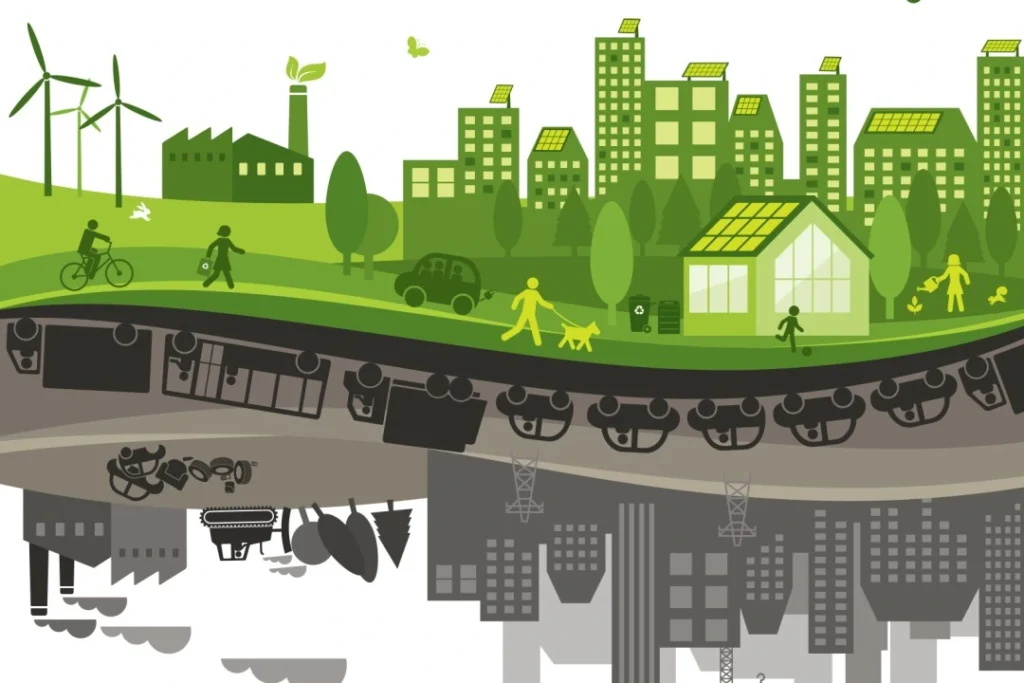
Energy-efficient designs incorporate technologies such as solar panels, LED lighting, and advanced insulation to minimize energy consumption.
3. Water Conservation
Rainwater harvesting systems, low-flow fixtures, and water-efficient landscaping are integral to sustainable construction.
4. Waste Reduction
Efforts like recycling construction waste, using modular construction, and designing for disassembly ensure minimal waste generation.
5. Indoor Environmental Quality
Improving ventilation, using non-toxic paints, and maximizing natural light enhance the health and well-being of building occupants.
Benefits of Sustainable Construction
1. Environmental Benefits
- Reduced Carbon Emissions: Sustainable buildings significantly lower greenhouse gas emissions.
- Resource Conservation: Eco-friendly practices help preserve natural resources.
2. Economic Advantages
- Long-Term Cost Savings: Energy-efficient buildings reduce utility bills over time.
- Increased Property Value: Green certifications can enhance the market value of properties.
3. Social Impact
- Healthier Living Spaces: Improved air quality and natural lighting benefit occupants.
- Job Creation: The green construction sector generates new opportunities in renewable energy and sustainable practices.
Innovative Sustainable Construction Practices
1. Net-Zero Energy Buildings (NZEBs)
These buildings produce as much energy as they consume through renewable energy systems.
2. Green Roofs and Walls
Vegetated roofs and walls provide insulation, improve air quality, and reduce urban heat island effects.
3. Passive Design Strategies
Designing buildings to take advantage of natural heating, cooling, and lighting reduces energy dependency.
4. Prefabrication and Modular Construction
These methods minimize waste and speed up construction timelines, enhancing sustainability.
Conclusion
Sustainable construction is not just a trend—it’s a necessity for a healthier planet. By adopting eco-friendly materials, innovative designs, and energy-efficient practices, the construction industry can lead the charge toward a greener, more sustainable future.